Tall pollinator pack (7 plants). Easy grow plant selection for pollinator garden. Great gift DORMANT
sold out
Interested in starting your first pollinator garden or looking for a gift for someone who wants to attract pollinators, look no further. This set of 7 different plants are in the 3-6ft range and like medium to medium-dry soils and like sunny locations. Once established are quite drought resistant. (We would suggest planting 2-3 ft apart) They are species we selected because they tend to be easier than some of the others and aren't too picky. They will flower from midsummer through early fall. Wonderful pollinator attractors. It includes one each of native bergamot (Monarda fistulosa), yellow headed coneflower (Ratibida pinnata), Ox eye (Heliopsis helianthoides), New England Aster (Symphyotrichum novae-angliae) Sweet black Eyed Susan (Rudbeckia subtomentosa), Purple Coneflower (Echinacea purpurea), and Ohio Spiderwort (Tradescantia ohiensis). Great gift for new home owners
All of our plants are grown in biodegradable fabric pots. The containers are around 4"x4 1/2" Generally, I like to take them off and compost them, but if you leave them on, I like to rip the sides or score them with a knife for easier root penetration.
Dormant plant
These plants have gone dormant, but are ready to plant for the upcoming season. They have good roots but no foliage remaining.
Dormant plant tips
• Moisture doesn’t dry up as fast in the winter as the summer, but if we go through prolonged dry spells, don’t forget to water. Just because they are not visibly growing doesn’t mean the can dry out.
• As long as the ground is workable (not frozen), we suggest planting in the ground soon after you receive them. Our plants are kept outside and are winter hardy. Even without foliage they will keep growing roots. If you are unable to plant them right away, we suggest placing them in heavy duty cardboard boxes in a protected location outside. Propping them up with newspaper or leaf litter. Up against a building works great. Grocers or warehouse stores often have old banana/ vegetable boxes available and they work great!
• Do not transfer them to old black plastic pots, They have inconsistent temperatures and do not provide aeration to the plant. Transferring our plants to them will often cause root shock and poor growth.
• Don’t try to “wake them up” early in a greenhouse or indoors. We keep our plants outside and they have natural schedules.
• Some natives like blue lobelia, cardinal flower, monkey flower, tall bell flower, and sneezeweed will keep low foliage all winter, but won’t start actively growing again till spring. We suggest covering these with pine needles, leaf litter, or a frost blanket to protect them from heavy freezes.
• Native plants can come back up up at different times. Some species will be up in late winter (such easterners and nodding onion) while others wait until the ground has warmed in mid spring (such as legumes and passionflower). Don’t fret if some plants are up but yours have not yet.
• As all of our plants are intended for butterfly/ pollinator gardens, they have not been treated with anything.
• We take care when shipping our plants, but if you experience roughed up looking plants due to postal transit, do not worry. Our plants have good roots which is the most important thing and should start sending out new growth after planting.
• Most of our plants are native and some can be slow growing, go dormant early in their first year or two, or don’t flower right away. “First year they sleep, second year they creep, third year they leap!”
• Any questions, feel free to contact us. We want this to be an enjoyable experience.
Interested in starting your first pollinator garden or looking for a gift for someone who wants to attract pollinators, look no further. This set of 7 different plants are in the 3-6ft range and like medium to medium-dry soils and like sunny locations. Once established are quite drought resistant. (We would suggest planting 2-3 ft apart) They are species we selected because they tend to be easier than some of the others and aren't too picky. They will flower from midsummer through early fall. Wonderful pollinator attractors. It includes one each of native bergamot (Monarda fistulosa), yellow headed coneflower (Ratibida pinnata), Ox eye (Heliopsis helianthoides), New England Aster (Symphyotrichum novae-angliae) Sweet black Eyed Susan (Rudbeckia subtomentosa), Purple Coneflower (Echinacea purpurea), and Ohio Spiderwort (Tradescantia ohiensis). Great gift for new home owners
All of our plants are grown in biodegradable fabric pots. The containers are around 4"x4 1/2" Generally, I like to take them off and compost them, but if you leave them on, I like to rip the sides or score them with a knife for easier root penetration.
Dormant plant
These plants have gone dormant, but are ready to plant for the upcoming season. They have good roots but no foliage remaining.
Dormant plant tips
• Moisture doesn’t dry up as fast in the winter as the summer, but if we go through prolonged dry spells, don’t forget to water. Just because they are not visibly growing doesn’t mean the can dry out.
• As long as the ground is workable (not frozen), we suggest planting in the ground soon after you receive them. Our plants are kept outside and are winter hardy. Even without foliage they will keep growing roots. If you are unable to plant them right away, we suggest placing them in heavy duty cardboard boxes in a protected location outside. Propping them up with newspaper or leaf litter. Up against a building works great. Grocers or warehouse stores often have old banana/ vegetable boxes available and they work great!
• Do not transfer them to old black plastic pots, They have inconsistent temperatures and do not provide aeration to the plant. Transferring our plants to them will often cause root shock and poor growth.
• Don’t try to “wake them up” early in a greenhouse or indoors. We keep our plants outside and they have natural schedules.
• Some natives like blue lobelia, cardinal flower, monkey flower, tall bell flower, and sneezeweed will keep low foliage all winter, but won’t start actively growing again till spring. We suggest covering these with pine needles, leaf litter, or a frost blanket to protect them from heavy freezes.
• Native plants can come back up up at different times. Some species will be up in late winter (such easterners and nodding onion) while others wait until the ground has warmed in mid spring (such as legumes and passionflower). Don’t fret if some plants are up but yours have not yet.
• As all of our plants are intended for butterfly/ pollinator gardens, they have not been treated with anything.
• We take care when shipping our plants, but if you experience roughed up looking plants due to postal transit, do not worry. Our plants have good roots which is the most important thing and should start sending out new growth after planting.
• Most of our plants are native and some can be slow growing, go dormant early in their first year or two, or don’t flower right away. “First year they sleep, second year they creep, third year they leap!”
• Any questions, feel free to contact us. We want this to be an enjoyable experience.

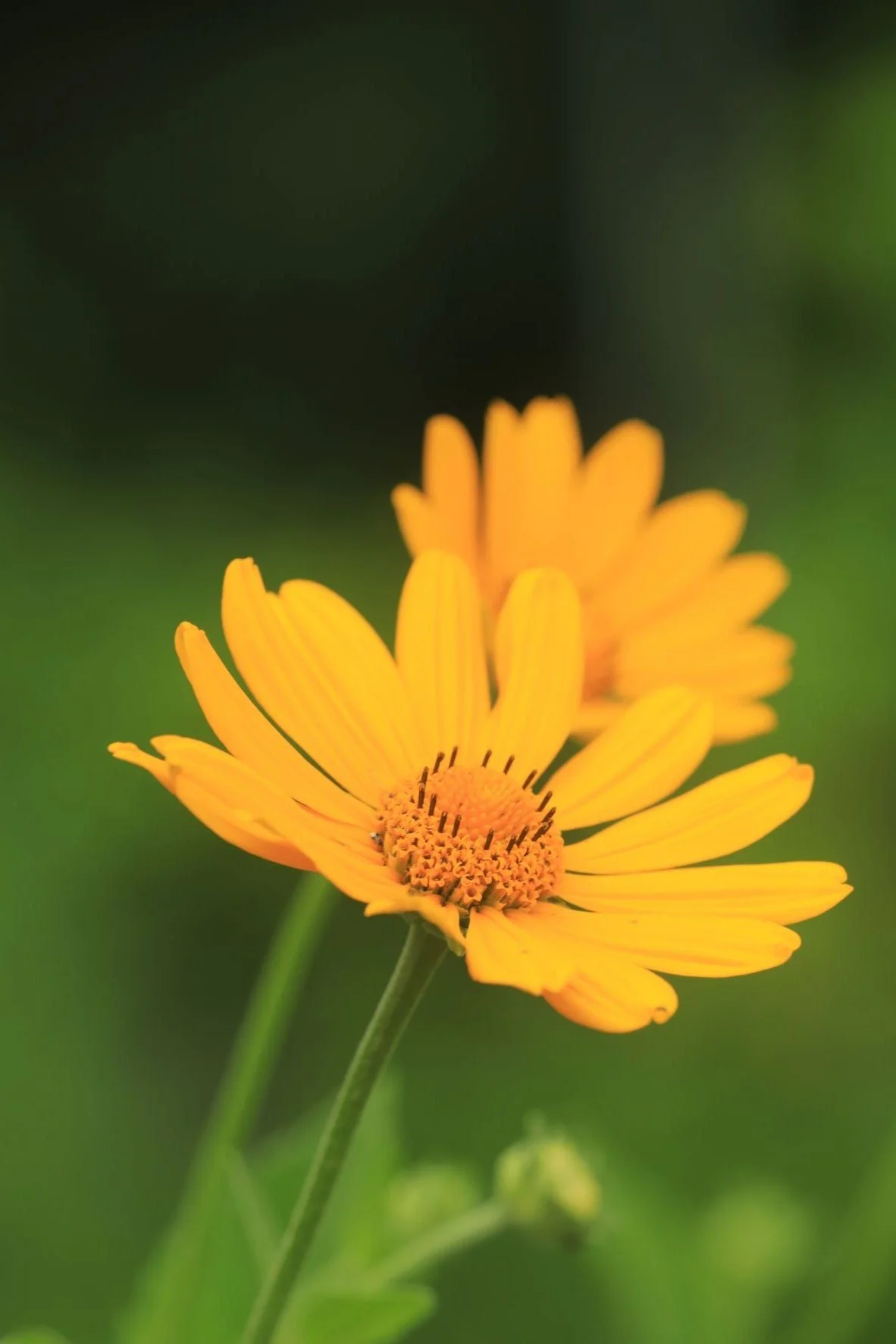 Image 1 of 4
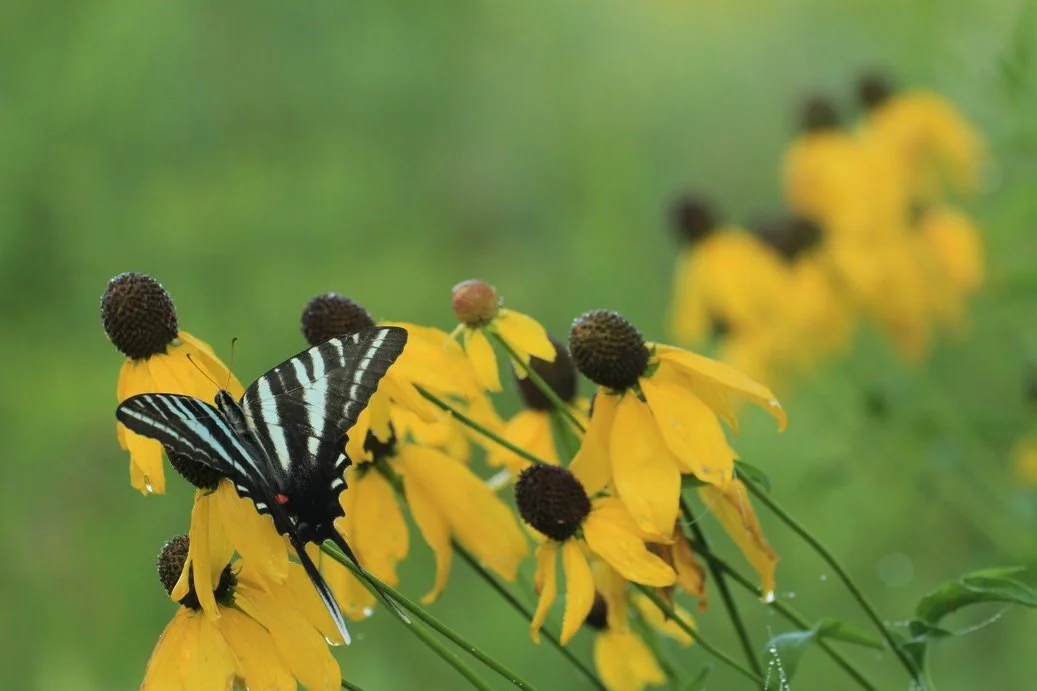 Image 2 of 4
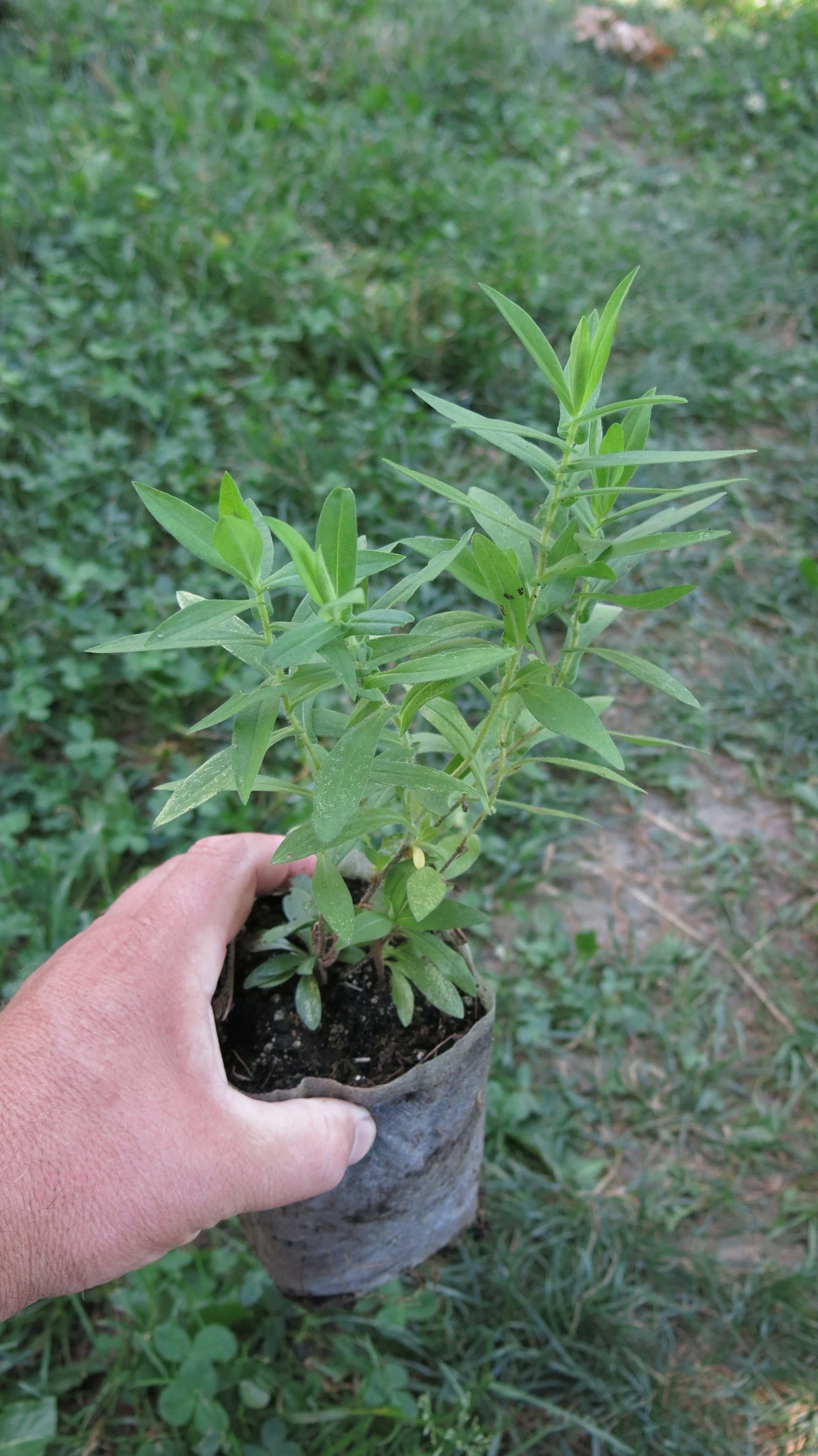 Image 3 of 4
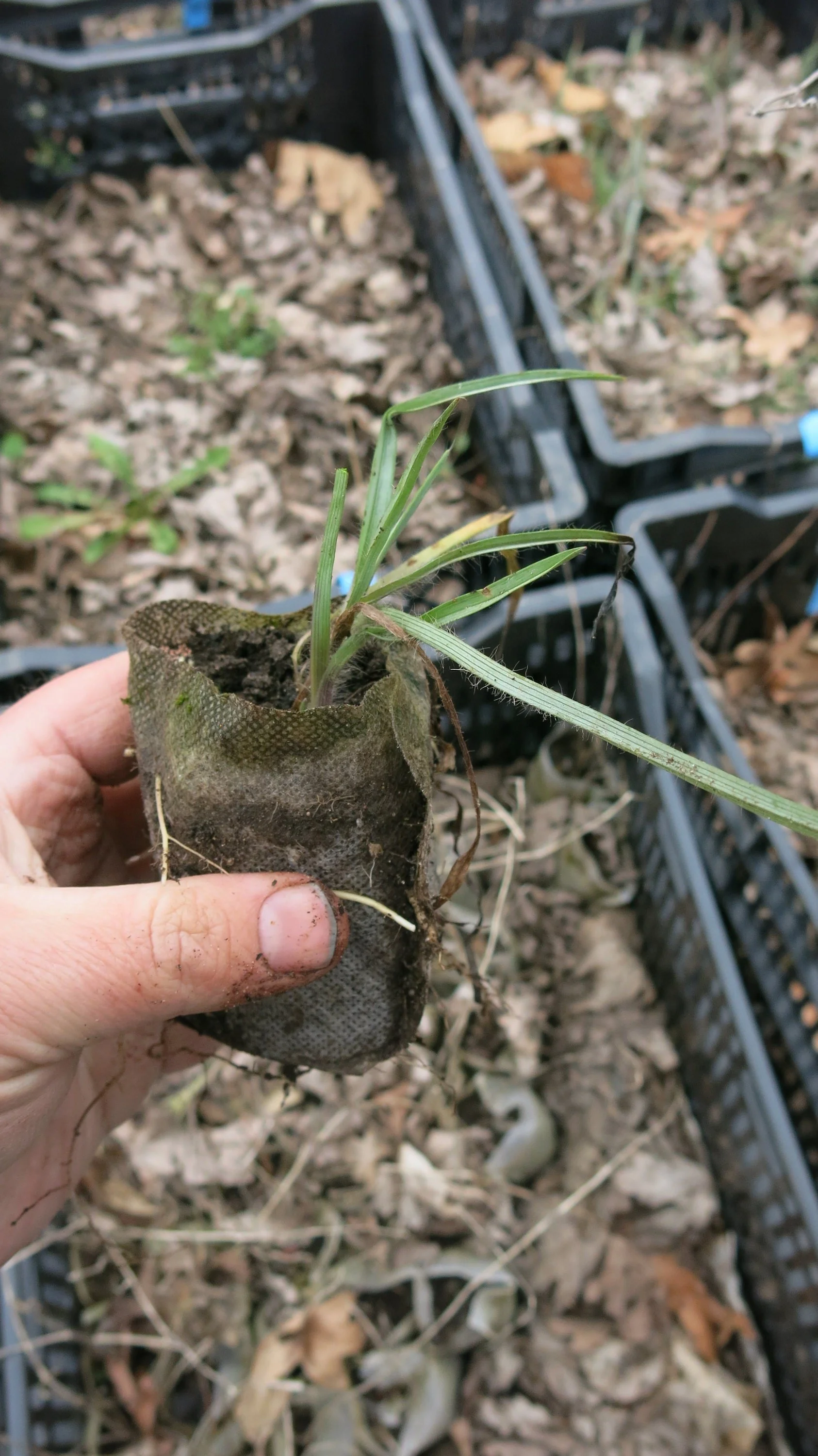 Image 4 of 4