Spicebush (lindera benzoin) starter shrub. This native shrub grows in moist woods in eastern north America, but is an excellent shrub for medium to moist sites in part sun or light shade. Can get up to 15ft. Unique yellow flowers in early spring but female needs male to produce their red berries. Strong scented spice like scent, hence its name. Host plant for spicebush swallowtail butterflies (papilio troilus). Also a favorite host of the promethea moth.
To produce fruit, you need a male and female spicebush. They cannot be sexed till the are old enough to produce flowers, which takes several years, so we cannot guarantee pairs. We grow these from seeds that were collected here in Michigan, not cuttings. So they are not "clones" of another plant.
These have gone DORMANT for the season and will have little to no foliage on them when you receive them. If ordered in the fall they may have a little left, but will be gone by as fall progresses. We are in Michigan and keep our plants outdoors to keep their natural cycles. They will not be growing any new foliage till next season, but have excellent roots. (the most important part!) They can still be planted any time the ground is still workable and will continue to grow roots for next season. Plant in the ground and treat like you would during the growing season (watering during long dry spells)
All of our plants are grown in biodegradable fabric pots. The containers are around 4"x4 1/2" Pots can be left on for planting but I prefer to take them off and compost them. If you prefer to leave them on, I like to score/ cut the sides for easier root penetration.
Tips for growing:
As our plants are intended for pollinator gardens, they have not been treated with anything. Native plants don't need any fertilizer, but if you want to lightly use an organic fertilizer, it won't hurt.
The best place for our plants is in the ground. Do not grow in black plastic nursery pots "till they get bigger" Black plastic pots do not provide good aeration, get very hot, and will cause root circling and poor growth. Although being small, native plants often grow extensive root systems, often more than the visible foliage. When planted in the ground they will have the best chance to work on their roots.
When it comes to native perennials, roots are the most important part. While foliage can be an indicator of good growth, you want to give these plants the best chance for root growth. Don't worry about flowering, it will come. Encourage roots!
Spicebush (lindera benzoin) starter shrub. This native shrub grows in moist woods in eastern north America, but is an excellent shrub for medium to moist sites in part sun or light shade. Can get up to 15ft. Unique yellow flowers in early spring but female needs male to produce their red berries. Strong scented spice like scent, hence its name. Host plant for spicebush swallowtail butterflies (papilio troilus). Also a favorite host of the promethea moth.
To produce fruit, you need a male and female spicebush. They cannot be sexed till the are old enough to produce flowers, which takes several years, so we cannot guarantee pairs. We grow these from seeds that were collected here in Michigan, not cuttings. So they are not "clones" of another plant.
These have gone DORMANT for the season and will have little to no foliage on them when you receive them. If ordered in the fall they may have a little left, but will be gone by as fall progresses. We are in Michigan and keep our plants outdoors to keep their natural cycles. They will not be growing any new foliage till next season, but have excellent roots. (the most important part!) They can still be planted any time the ground is still workable and will continue to grow roots for next season. Plant in the ground and treat like you would during the growing season (watering during long dry spells)
All of our plants are grown in biodegradable fabric pots. The containers are around 4"x4 1/2" Pots can be left on for planting but I prefer to take them off and compost them. If you prefer to leave them on, I like to score/ cut the sides for easier root penetration.
Tips for growing:
As our plants are intended for pollinator gardens, they have not been treated with anything. Native plants don't need any fertilizer, but if you want to lightly use an organic fertilizer, it won't hurt.
The best place for our plants is in the ground. Do not grow in black plastic nursery pots "till they get bigger" Black plastic pots do not provide good aeration, get very hot, and will cause root circling and poor growth. Although being small, native plants often grow extensive root systems, often more than the visible foliage. When planted in the ground they will have the best chance to work on their roots.
When it comes to native perennials, roots are the most important part. While foliage can be an indicator of good growth, you want to give these plants the best chance for root growth. Don't worry about flowering, it will come. Encourage roots!
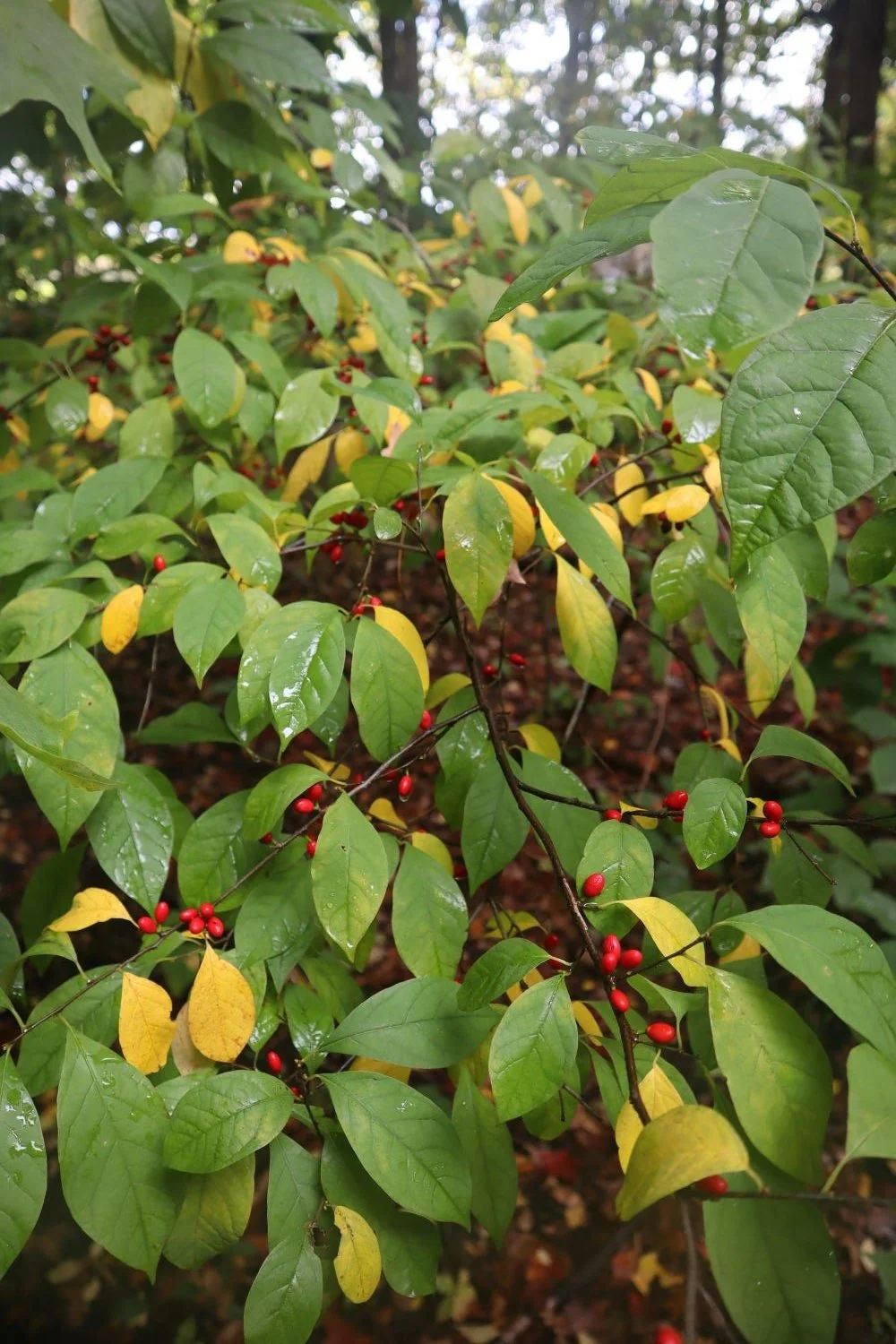 Image 1 of 2
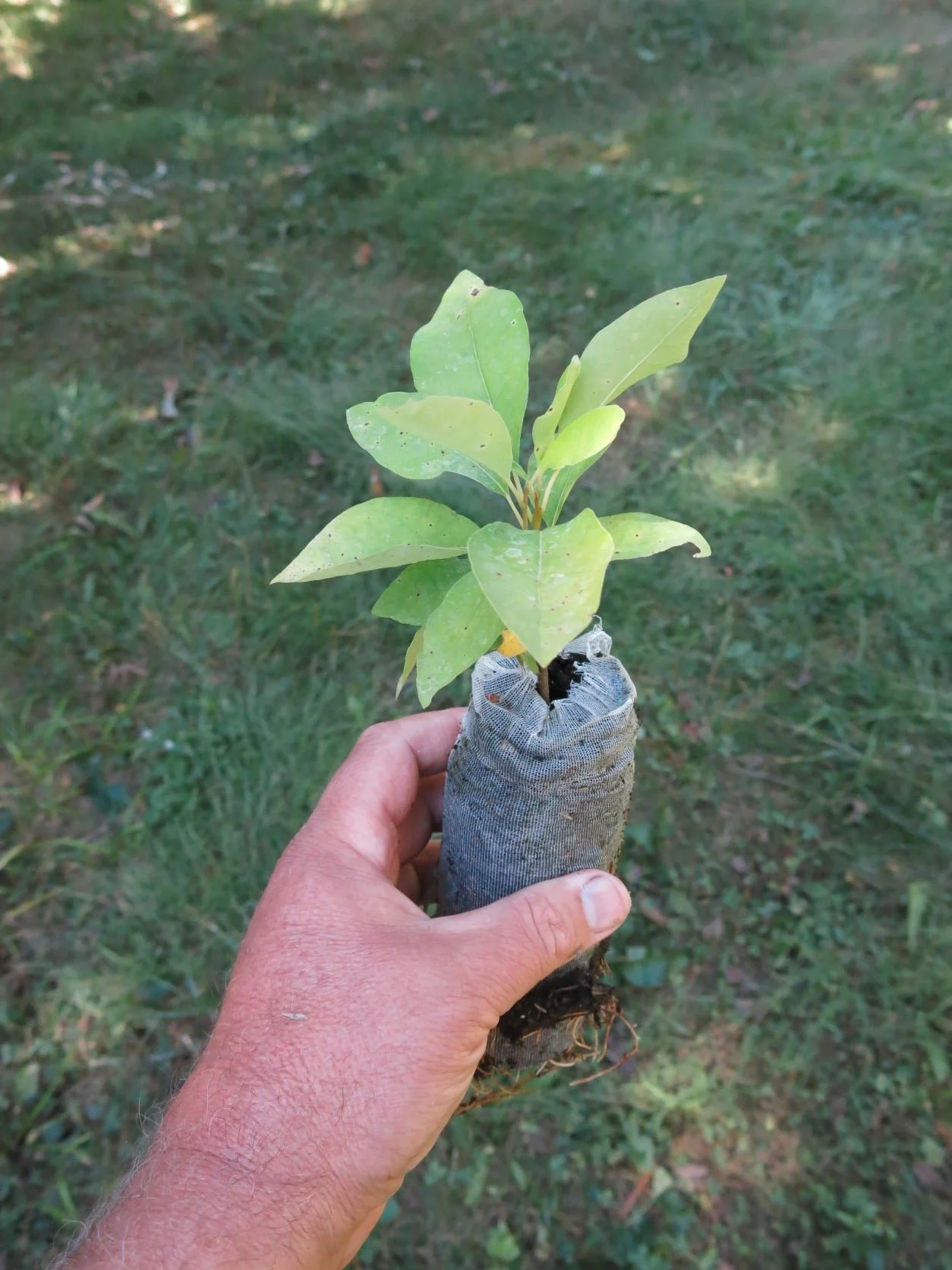 Image 2 of 2